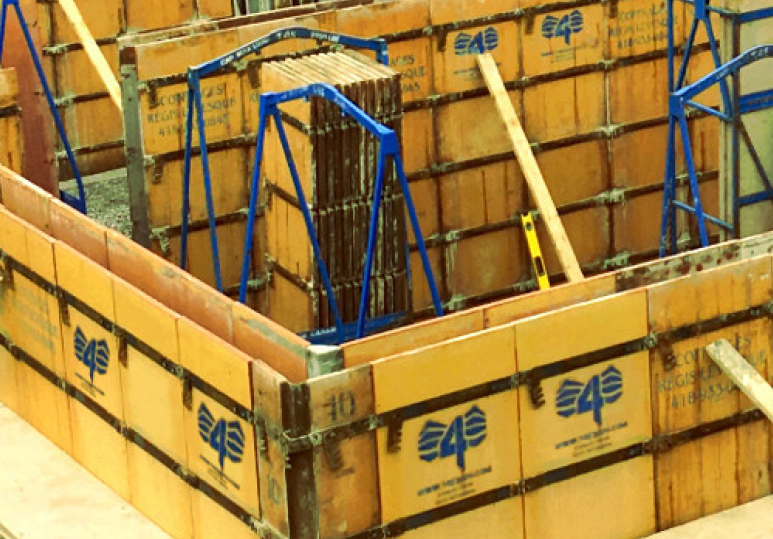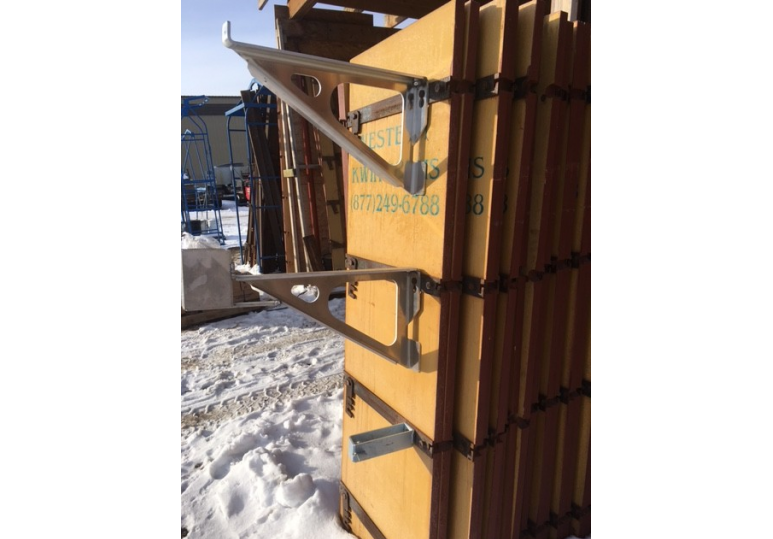
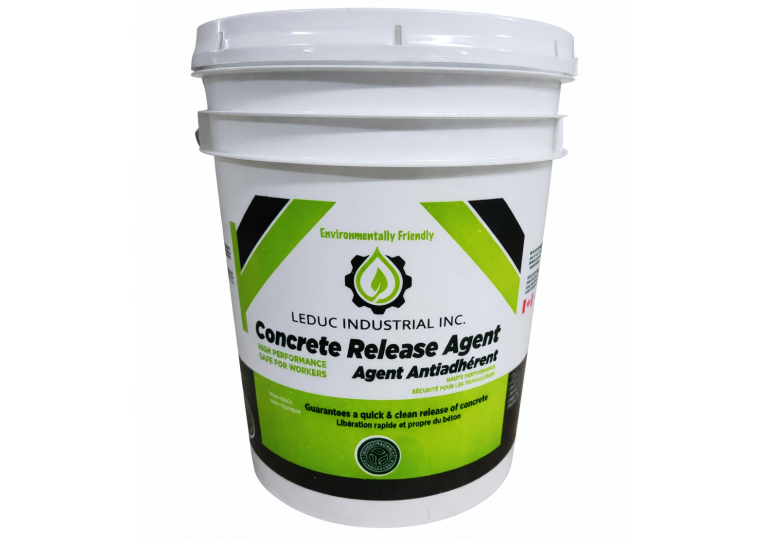
In residential concrete forming, efficiency and longevity matter. One of the most overlooked factors in both is proper use of release oil.
Release oil is not just about preventing concrete from sticking. It directly impacts panel lifespan, surface finish quality, labor time, and long-term maintenance costs.
What Release Oil Actually Does
Release oil creates a thin barrier between the concrete and the form surface. When applied correctly, it:
• Prevents concrete adhesion
• Reduces surface defects
• Speeds up stripping time
• Protects forms and fillers from buildup
• Extends the life of panels and corners
When applied improperly or inconsistently, crews often spend unnecessary time chipping hardened concrete off panels. Over time, that buildup reduces form precision and increases wear.
Application Matters
The most common mistake on site is over-application.
Too much oil can:
• Stain concrete
• Cause surface blemishes
• Lead to bonding issues on future finishes
Too little oil increases cleanup time and shortens panel life.
Best practice is a light, even coat applied using a sprayer designed for consistent coverage. Focus on full surface coverage without pooling.
Choosing the Right Release Agent
Not all release oils are created equal. Water-based and biodegradable options are increasingly preferred on modern job sites due to environmental standards and ease of cleanup.
For Duraform systems like ours, selecting a release product that minimizes residue buildup is critical. Over time, residue accumulation leads to uneven surfaces and more aggressive cleaning methods that damage panels.
Long-Term Savings
Consistent release oil use reduces:
• Panel refurbishment time
• Cleaning labor
• Equipment wear
• Replacement frequency
Small improvements in stripping efficiency compound across multiple pours and multiple builds.
At Western Kwik Forms, we encourage crews to treat release oil as part of the forming system, not an afterthought. When used correctly, it protects your investment and keeps projects moving.