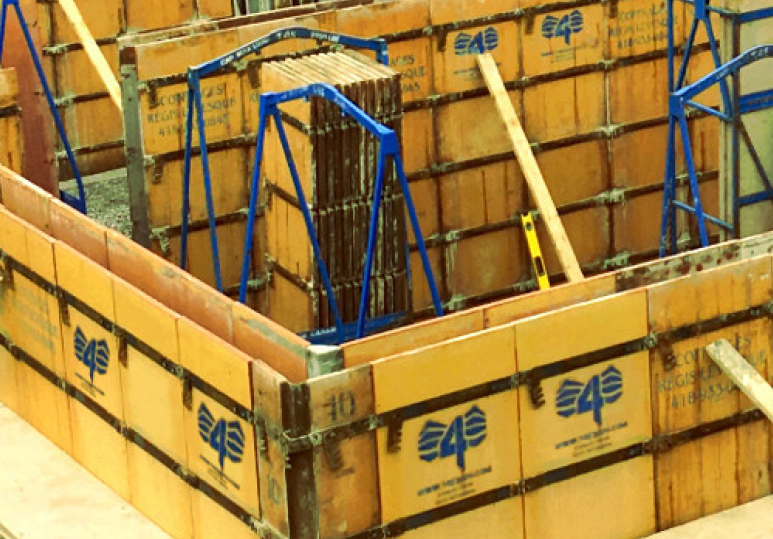
Concrete forming is a structural control system, not just a containment method. In residential foundation construction, forming accuracy directly affects wall plumb, dimensional tolerances, tie performance, stripping efficiency, and long-term structural reliability.
Small deviations during forming compound quickly. A 1/4 inch shift at the base can translate into visible alignment issues at the top of an 8 or 9 foot wall. Precision during setup reduces corrective work after cure and improves overall build quality.
Load Pressure and Panel Integrity
Fresh concrete behaves as a fluid during placement. Lateral pressure increases with pour height, placement rate, and slump. In foundation applications, especially during full-height wall pours, understanding this pressure is critical.
Key factors affecting form pressure:
• Pour rate
• Concrete temperature
• Slump and mix design
• Wall height
• Vibration intensity
Higher slump mixes and faster placement increase lateral force. Without proper tie spacing and bracing, panels can deflect under load.
Steel panel systems provide predictable rigidity, but support intervals must match wall height and corner configuration. Longer corner sections, particularly 4x6 configurations, require tighter support spacing to resist bowing during peak pressure.
Planning tie layout and bracing before placement prevents movement during the critical first phase of curing.
Tie Spacing and Structural Control
Tie spacing should never be random. It must correspond to wall height and expected pressure.
General forming best practices include:
• Consistent vertical tie spacing based on wall height
• Reduced horizontal spacing near corners and high-load areas
• Inspection of tie condition before every reuse
• Verification of correct tie engagement depth
Improper tie placement leads to panel spread, surface irregularities, and potential structural correction after strip.
Precision tie layout maintains consistent wall thickness and reduces the need for grinding or patching.
Plumb, Level, and Alignment
Before concrete placement, forms must be:
• Checked for plumb across full wall height
• Confirmed level at top of wall
• Verified for straightness along long runs
• Secured against vibration movement
Laser levels and string lines should be used to confirm alignment prior to pour. Even small misalignments can result in framing complications later in the build.
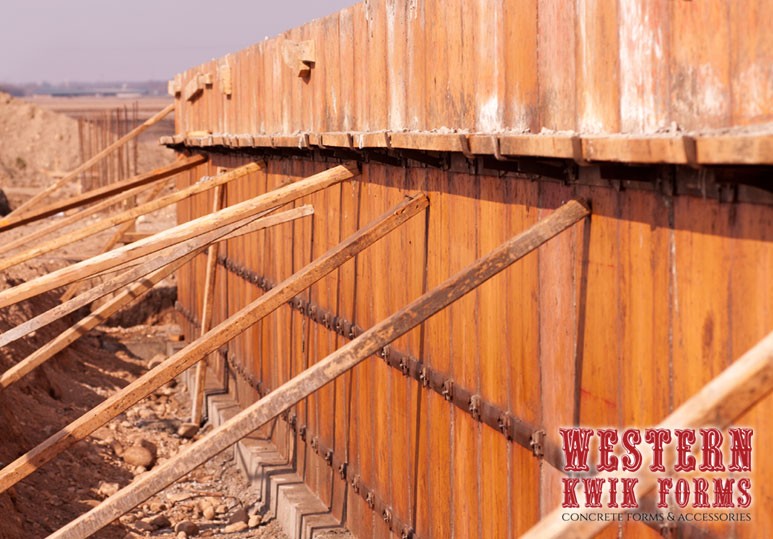
Bracing must resist both lateral pressure and vibration from consolidation. External bracing should be anchored to stable ground or structural supports to prevent creep during placement.
Panel Maintenance and Surface Quality
Surface finish quality depends heavily on panel condition.
Steel forms must be:
• Cleaned thoroughly after stripping
• Free of hardened concrete buildup
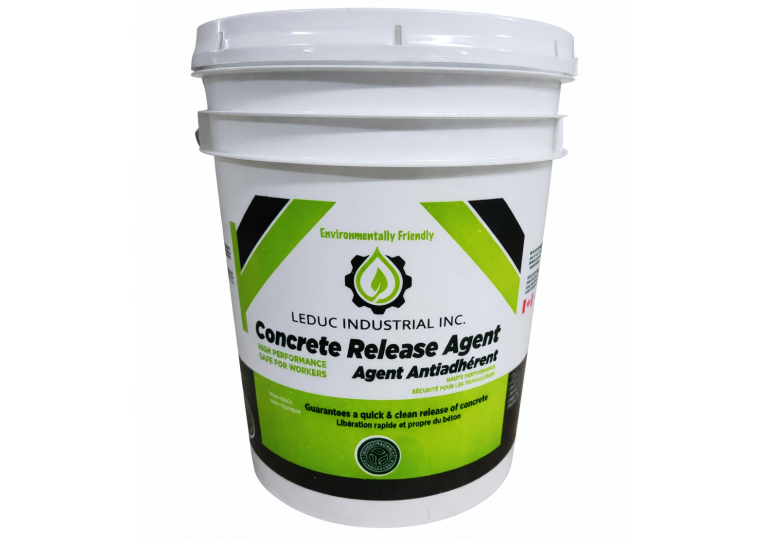
• Evenly coated with release oil prior to next use
Concrete buildup on panels changes surface tolerance and affects final wall texture. Over time, accumulated residue reduces system precision.
Consistent maintenance preserves panel flatness and ensures repeatable surface results.
Staging and Workflow Efficiency
Forming efficiency is operational as much as structural.
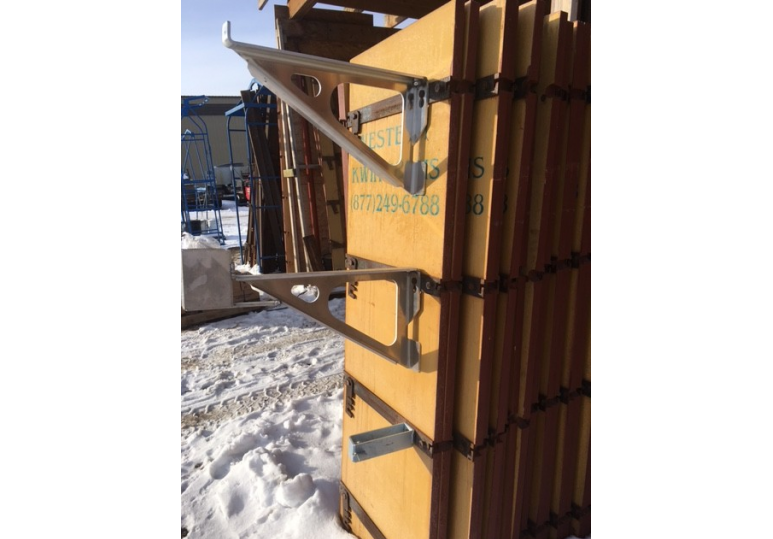
Pre-staged panel cages and organized layout reduce:
• Handling time
• Crew fatigue
• On-site decision delays
Uniform 24 inch wide panel systems improve modular layout and reduce excessive filler use. When layout is predictable, installation time decreases and error rates drop.
Structured forming workflows lead to:
• Faster assembly
• More controlled pours
• Quicker stripping cycles
• Reduced equipment wear
Forming as an Integrated System
High-performing residential foundation crews treat forming as a coordinated system:
• Calculated tie spacing
• Proper bracing intervals
• Controlled pour rates
• Consistent panel maintenance
• Accurate layout verification
When each variable is controlled, the result is straighter walls, reduced rework, and improved long-term durability.
Concrete forming is the structural template of the foundation. Precision at this stage defines the integrity of everything built above it.
At Western Kwik Forms, we support contractors with steel panel systems designed for repeatable performance and jobsite efficiency. When forming is executed with technical discipline, foundations are cleaner, stronger, and faster to complete.